Child vaccinations in Poland: mandatory list and 2026 schedule
Short answer: In Poland mandatory vaccinations for children and young people are free up to age 19; parents are responsible, and the yearly GIS programme sets the schedule.
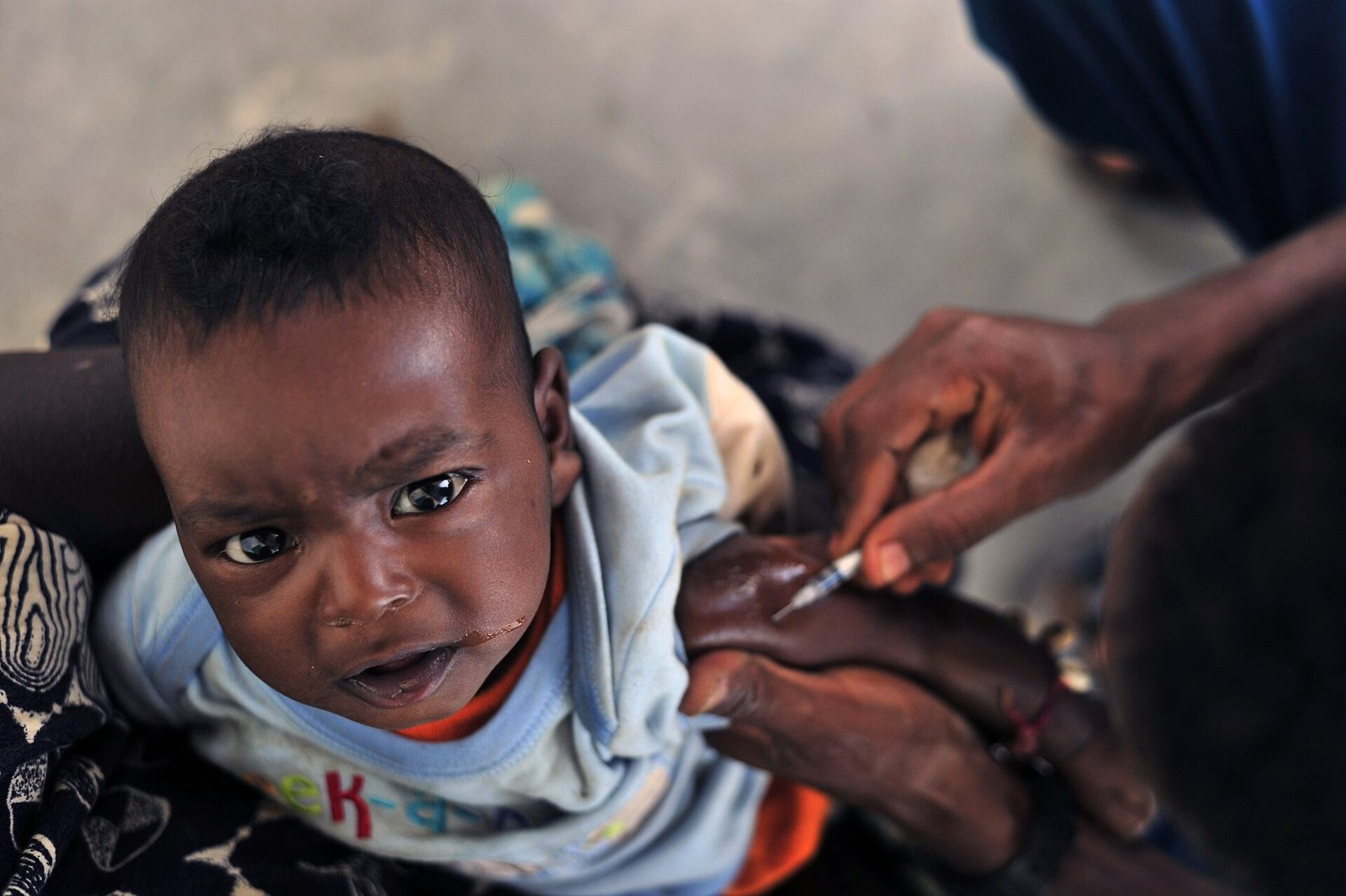
Poland has a national vaccination programme, and for children it includes a list of mandatory vaccines that are free of charge. If you move here with a child, or have a baby here, you will meet it at the first visit to a paediatrician. This guide explains what is mandatory, who is responsible, what is recommended on top, and where to check the current rules. It is based on the Chief Sanitary Inspectorate (GIS) pages on the 2026 Vaccination Programme, the National Institute of Public Health (PZH) calendar and the Ministry of Health regulation on mandatory vaccinations. It is general information and not medical advice, so talk to your doctor about your child's situation.
The basics
According to the GIS, people staying in Poland are obliged to undergo protective vaccinations against infectious diseases. For children, the responsibility for meeting this obligation lies with the parents or legal guardians.
Each year the Chief Sanitary Inspector publishes the Vaccination Programme (Program Szczepień Ochronnych, PSO) for the next year, by 31 October. The 2026 programme was published in the Ministry of Health's official journal in autumn 2025. It is a guideline for doctors and other medical staff who give vaccinations, and the popular name for it is the "vaccination calendar". It has four parts: mandatory vaccinations, recommended vaccinations, supplementary information, and general rules on how vaccinations are carried out. The Sanitary Inspection supervises the system.
In Poland, mandatory and free vaccinations are given up to the age of 19.
Which diseases are mandatory
The Ministry of Health regulation of 27 September 2023 (consolidated text published in June 2025) lists the infectious diseases covered by the obligation:
- diphtheria
- tuberculosis
- invasive Haemophilus influenzae type b infections
- invasive Streptococcus pneumoniae infections
- whooping cough (pertussis)
- mumps
- measles
- chickenpox
- polio
- rubella
- tetanus
- hepatitis B
- rabies
- rotavirus infections
Some of these apply to everyone of a certain age, and some only to people at special risk. For example, the regulation sets these age limits for children and young people:
- tuberculosis: from birth up to the age of 15,
- diphtheria, whooping cough and tetanus: from 6 weeks of age up to the age of 19,
- Hib and pneumococcal infections: from 6 weeks of age up to the age of 5,
- polio: from 6 weeks of age up to the age of 19,
- measles, mumps and rubella: from 12 months of age up to the age of 19,
- rotavirus: from 6 weeks of age up to 32 weeks of age,
- hepatitis B: from birth up to the age of 19.
Chickenpox and rabies appear on the list for people in particular risk groups, not for all children. The PZH calendar notes that the chickenpox vaccine is mandatory and free only in risk groups named in the programme, and that in other groups it is paid.
What the 2026 calendar looks like
The PZH publishes a one-page calendar for children and young people for 2026. It shows when each vaccine is given. Key points from the graphic:
- On the first day of life, or at the latest before discharge from hospital: BCG (tuberculosis) and the first hepatitis B dose.
- From the 2nd month: the series of vaccines against diphtheria, tetanus and whooping cough, Hib, polio and pneumococci, with further doses in the following months. Rotavirus vaccination starts after the child is 6 weeks old.
- At 13 to 15 months: the first measles, mumps and rubella (MMR) dose.
- At 6 years: boosters for diphtheria, tetanus, whooping cough and polio, and the second MMR dose.
- At 14 years: a booster against diphtheria, tetanus and whooping cough (Tdap).
- At 19 years: a Td booster. The calendar notes that Td is free, while the Tdap version is paid.
The exact dose schedule depends on which combined vaccine the doctor uses. The programme describes several variants, so follow the schedule your paediatrician gives you.
Recommended vaccinations
Besides the mandatory ones, the programme has recommended vaccinations. For children and young people the 2026 programme keeps vaccinations against:
- meningococci,
- influenza,
- COVID-19,
- chickenpox,
- tick-borne encephalitis,
- hepatitis A,
- human papillomavirus (HPV).
Some of these are free and some are paid. The PZH says the national HPV programme has covered girls and boys from the age of 9 to 14 since 1 September 2024. For the others, ask the clinic whether the vaccine is free for your child's age and risk group.
For adults the GIS lists recommended vaccinations such as hepatitis B for the unvaccinated, a yearly flu shot, a dTap booster every 10 years, MMR for people who were not vaccinated, chickenpox for people who did not have it and were not vaccinated, tick-borne encephalitis, hepatitis A, pneumococci and RSV for older people. The GIS advises adults to check their immunisation status in a vaccination booklet or an immunisation card and to catch up on missing doses.
What to do as a newcomer
- Bring your child's vaccination record from the previous country. Doctors need it to see which doses were given.
- Ask the paediatrician at your public clinic (POZ) to compare it with the Polish schedule and tell you which doses are missing. Mandatory vaccinations are given by public health services without charge for children.
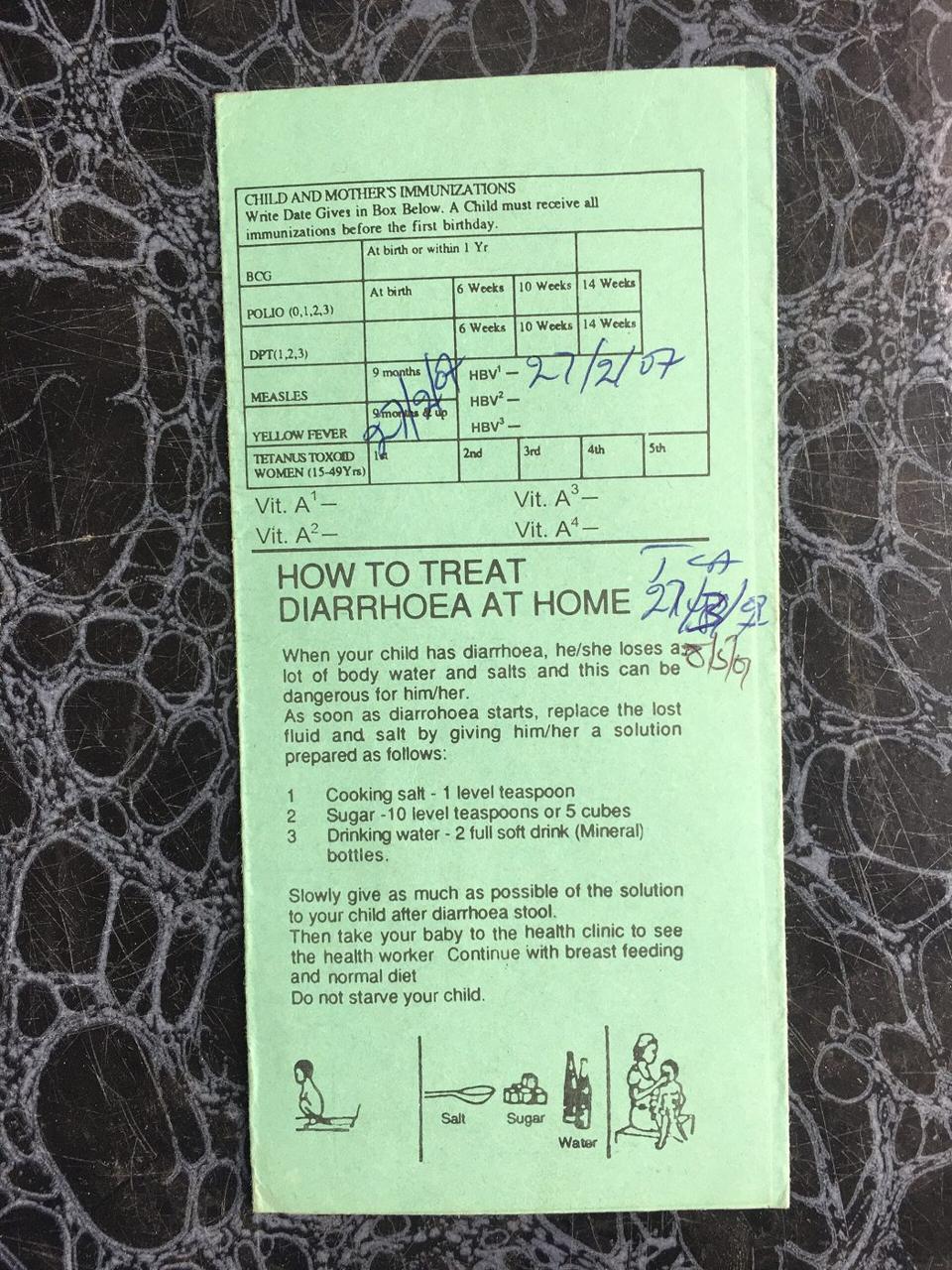
- Keep the Polish vaccination booklet (książeczka szczepień) safe. It is the standard document of the system, and the regulation also defines the immunisation card.
- If your child will start a nursery, kindergarten or school, ask the facility what documents it asks for.
- Check the current programme every autumn. The GIS publishes the programme for the next year by 31 October.
Frequently asked questions
Are vaccinations mandatory in Poland for foreign children?
The GIS says that persons staying in Poland are obliged to be vaccinated against infectious diseases and that parents or guardians are responsible for their children. The programme applies to children living in the country.
Are mandatory vaccines free?
Yes. Mandatory vaccinations are free of charge in Poland up to the age of 19. The chickenpox vaccine is free only for the risk groups named in the programme.
Where does my child get vaccinated?
Usually at the public primary care clinic (POZ) with the paediatrician or the nurse who looks after your child. If you are not sure which clinic, ask the facility where your child is registered.
What is the Vaccination Programme (PSO)?
It is the yearly guideline published by the Chief Sanitary Inspector. It lists mandatory and recommended vaccinations, the schedules and the general rules.
Which vaccines are recommended but not mandatory?
For children these include meningococci, influenza, COVID-19, chickenpox, tick-borne encephalitis, hepatitis A and HPV. Some are free for certain ages or groups, and some are paid.