Emergency numbers in Poland: 112 and 999 and how to call for help
Short answer: Call 112 for any emergency in Poland, or 999 to reach an ambulance dispatcher directly. Calls are free.
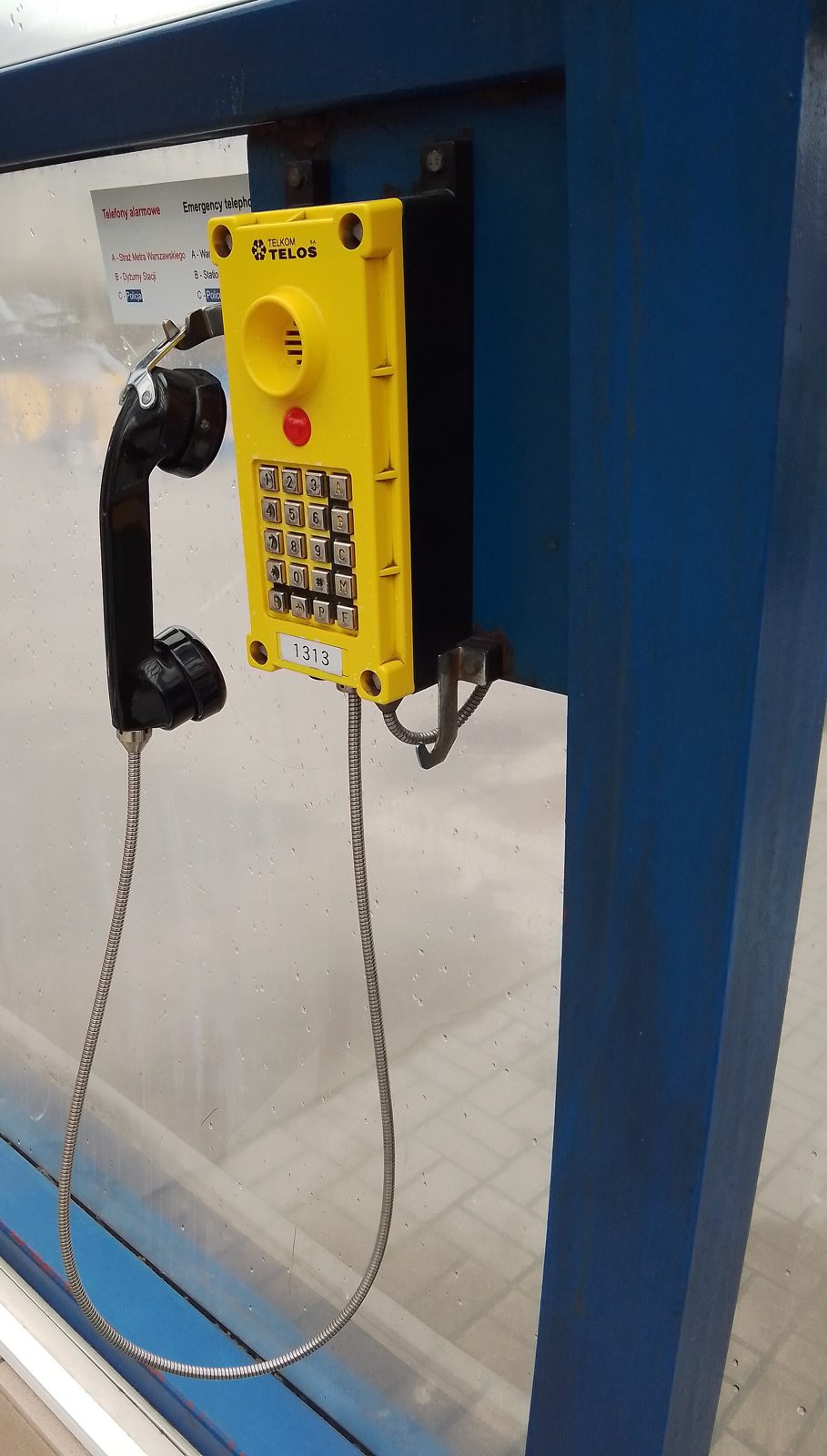
If you live in Poland, you should know how to call for help before you need it. The country has a single EU emergency number, 112, and a direct line for ambulances, 999. This guide explains which to use, what the operator will ask, what not to call about, and how people who cannot speak on the phone can still report an emergency. The information comes from the official 112 portal run by the Ministry of the Interior and Administration and from the Ministry of Health's patient portal, read on 13 October 2026.
112 or 999?
Two numbers can bring an ambulance:
- 112 is the single emergency number valid across the European Union. It is used when health, life, property or safety is at risk and the police, the State Fire Service or the medical rescue service must act at once. The operator then passes your report to the right service, or connects you directly.
- 999 is the emergency number of the ambulance service. A medical dispatcher answers directly.
Calls to emergency numbers are free, no matter how long they last. In Poland the 112 system has 17 emergency notification centres (CPR), one in each voivodeship city plus Radom.
What to report
The 112 portal says to call only when an emergency service must step in. Examples it gives:
- road accidents
- heavy bleeding and injuries
- fainting and loss of consciousness
- fires
- electric shock
- theft, burglary, robbery and violence
- a suspected drunk or drugged driver
- any other sudden threat to life, health, environment, property or public order
Do not call 112 to ask about the weather or timetables, to report traffic jams, to find a phone number for a company, to order a taxi, pizza or a tow truck, to get legal or medical advice, to get a PIN or PUK for a phone, or to test whether the number works. People who call without a real emergency can block the line for someone who needs help.
What the operator will ask
The 112 portal describes the call like this:
1. The operator gives a service number, never a personal name, and asks how they can help.
2. You describe the event very briefly.
3. You answer the questions. The order of the questions is not random.
4. You give the exact address: voivodeship, county, municipality, town, street and the number of the nearest building, or any other way to find the place.
5. You give your own contact details, in case the services must reach you.
6. You do not hang up until the operator confirms that the report is accepted.
7. After the call, you avoid using your phone so the services can call you back.
8. If the situation changes, you call 112 again.
For a medical report, the operator transfers you to a medical dispatcher of the State Medical Rescue service, who asks the medical questions.
If you call 999
The patient portal lists what the dispatcher asks: what happened, the exact address (including the municipality, county and voivodeship, because place names repeat in Poland), how many people are hurt and in what state, whether the person moves and breathes, the person's name and approximate age, your name and phone number, and how to get there, with landmarks. Stay calm, do not shout, do not rush the dispatcher, and follow instructions. Do not hang up until the dispatcher says you can.
The portal says to call an ambulance only for an immediate threat to life or for a sudden condition that could lead to serious injury or death, such as loss of consciousness, altered consciousness or seizures. Do not call an ambulance for illnesses that are not an emergency. For those, see a doctor or the night and holiday care service.
If you cannot make a voice call
The Alarm112 mobile app, launched by the Ministry of the Interior, lets a person send an emergency report to the notification centre without a voice call. It was designed mainly for deaf and hard-of-hearing people. You pick pictograms for the type and place of the event and the service you need. You must install the app and register first, so do it before you need it. It is available for Android and iOS. Use it only in an emergency.
Before an emergency happens
- Save your home address in Polish and practise saying it, with the street and building number.
- Learn the Polish words for the basic problems: "pożar" for fire, "wypadek" for accident, "nie oddycha" for not breathing.
- Keep your phone charged, and keep a list of allergies and medicines on it.
- Install Alarm112 if anyone in your household cannot make a voice call.
Frequently asked questions
What is the emergency number in Poland?
112 for all emergencies, and 999 for an ambulance directly.
Are emergency calls free?
Yes. Calls to emergency numbers are free, however long they last.
Should I hang up when I have given the address?
No. Stay on the line until the operator clearly confirms that the report is accepted.
Can I report an emergency without speaking?
Yes, with the Alarm112 app, which sends a report through pictograms. You must install and register it in advance.
Who answers a 999 call?
A medical dispatcher answers directly.